How to Map Your First Sales Funnel Before Buying Software

Quick answer: Write the five stages on one page before opening any tool: traffic source, lead magnet, what you ask for, first offer, and follow-up messages. Most first funnels need only three pages. Pick software only after every box is filled, and test that you can publish a page in under an hour and export your contacts.↗ Share on X
You map your first sales funnel by writing down, on one sheet of paper, the five steps a stranger takes to become a paying customer: how they find you, what they get for free, what you ask in return, what you sell first, and what happens after the sale. Only after that sheet exists should you open a single software trial. Most beginners do it backwards. They buy a funnel builder, stare at a blank template, and build pages for a process they have not designed. This article walks you through the paper version step by step, gives you a fill-in worksheet, and then tells you which tool you actually need for each stage.
What is a sales funnel, in plain words?
 Pick a Domain Name for Your Funnel: 7 Rules and 5 Mistakes →
 Connect Your Funnel Builder to Stripe in 7 Steps (No Code) →
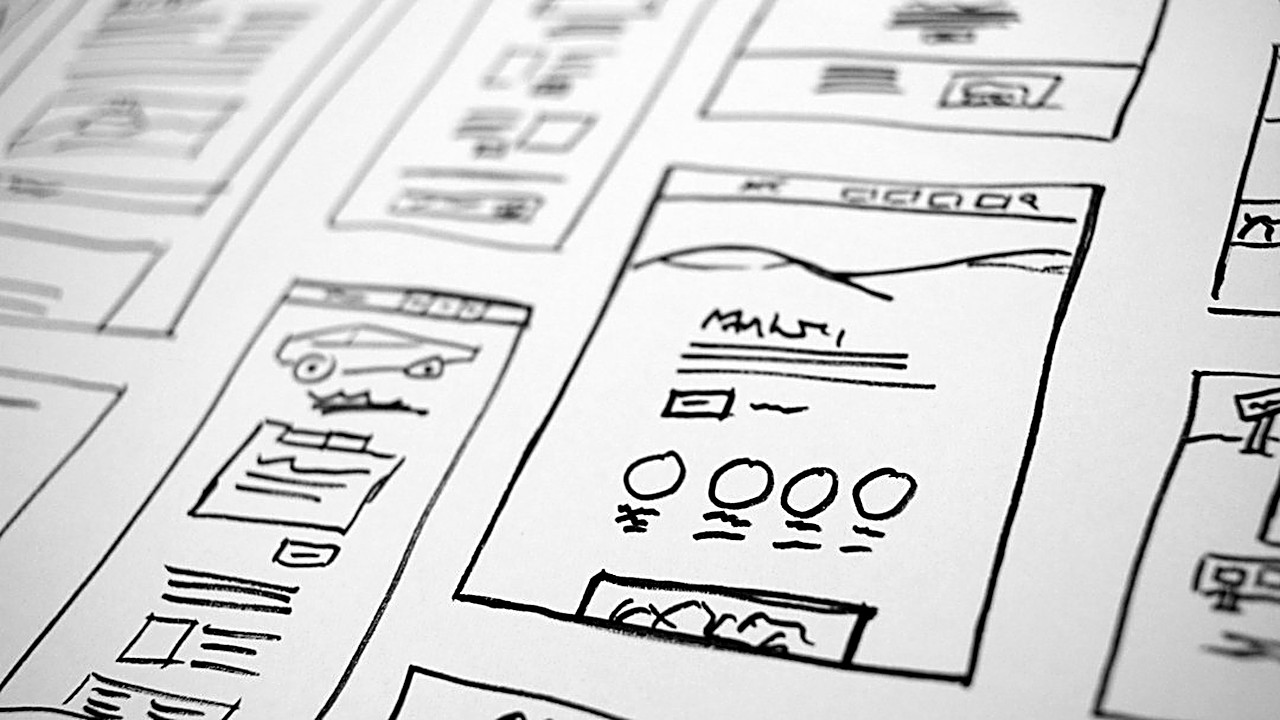 Landing Page or Full Website First? Take This 5-Step Test →
A sales funnel is the path a person follows from "never heard of you" to "paid you." It is called a funnel because many people enter at the top and fewer come out at the bottom. That is normal. A funnel is not a trick to force people through. It is a way to make each step clear so you can see where people drop off and fix that step.
A funnel is not a website. A website is a place with many doors: home page, about page, blog, contact. A funnel is a single hallway with one door at the end. On a funnel page there is one thing to do, and everything else is removed.
Smart software picks in your inbox
The five stages every first funnel needs
You do not need a complex diagram. Your first funnel has five stages, and each one answers one question.
| Stage | The question it answers | A simple example |
|---|---|---|
| 1. Traffic | Where do people first see you? | A short video on social media, a Google search, a flyer in a shop |
| 2. Lead magnet | What do they get for free that solves one small problem? | A checklist, a price calculator, a 10-minute video |
| 3. Opt-in | What do you ask in exchange? | An email address or a phone number |
| 4. First offer | What is the first thing you sell, at a price that is easy to say yes to? | A workshop, a starter kit, a 30-minute consultation |
| 5. Follow-up | What happens in the days after, whether they buy or not? | A sequence of 3 to 5 emails or messages |
If you cannot fill one of these boxes, you have found the real problem. No software fixes an empty box.
How to map your funnel on paper in 45 minutes
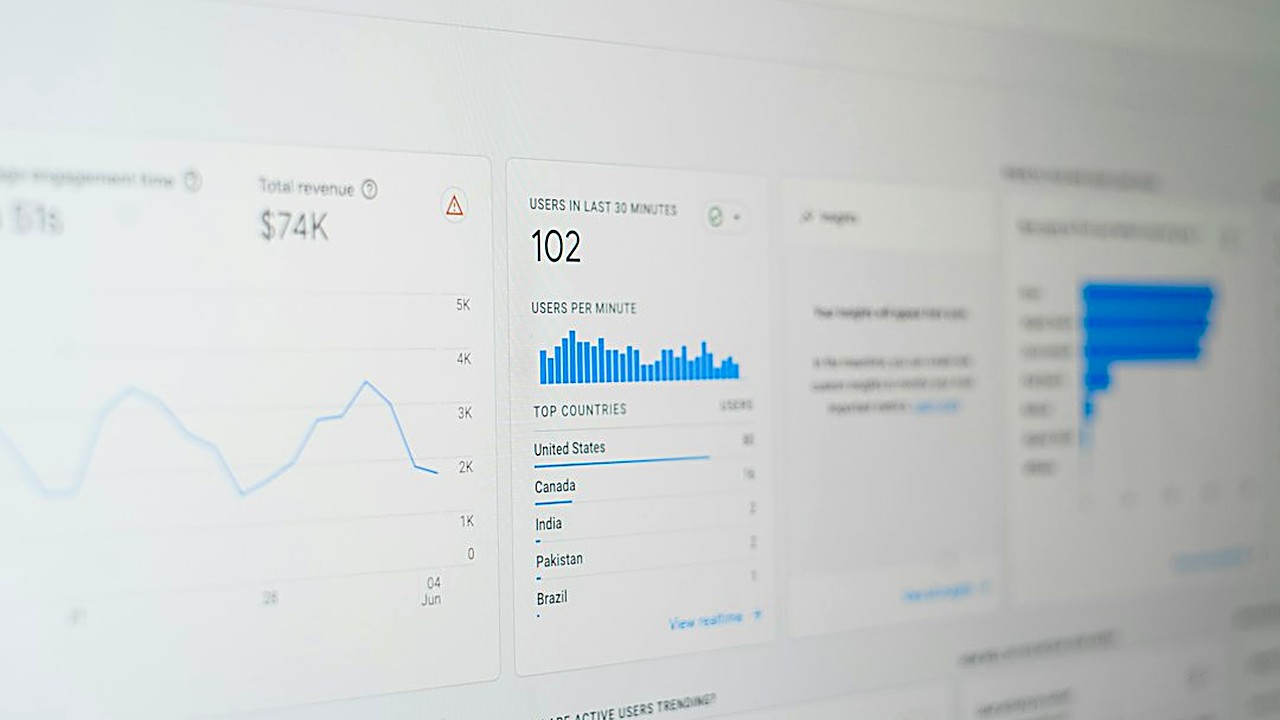 Funnel Builder Free Trial: A 7-Day Test Before You Pay →
 A/B Testing Your Funnel: What to Test First and How Long →
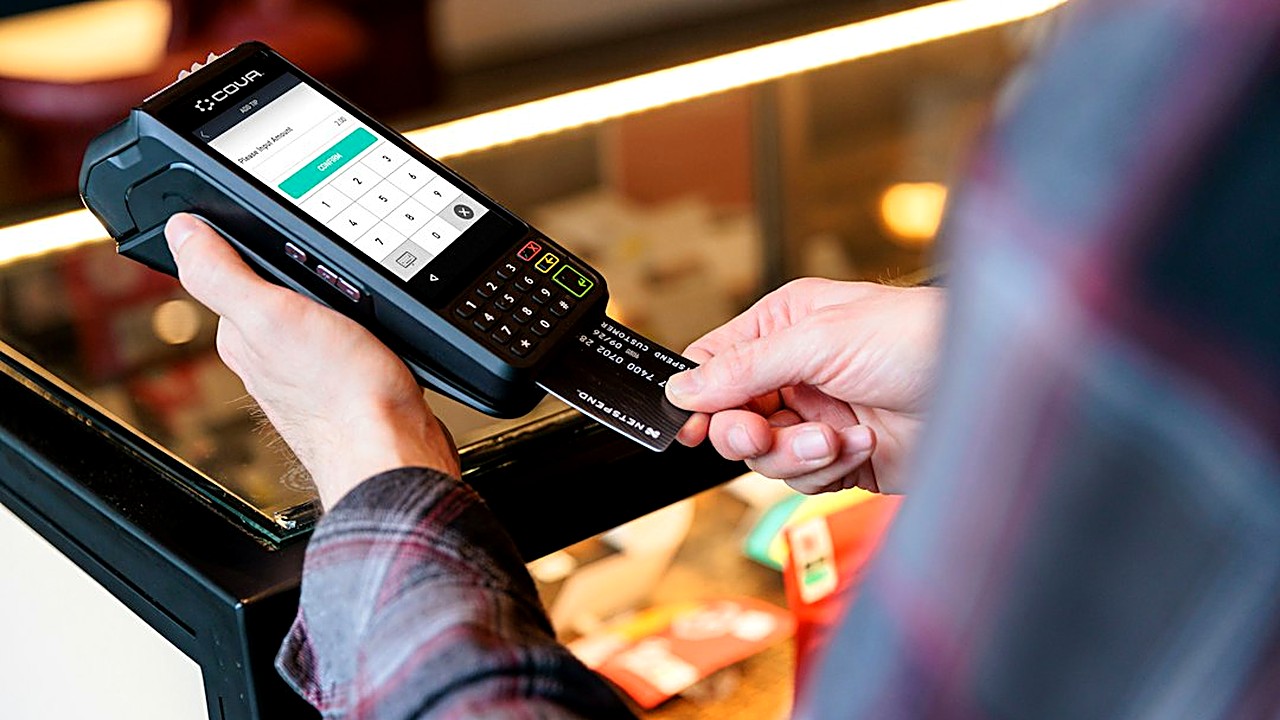 Pick a Funnel Builder That Fits Your Payment Gateway →
Set a timer. Do these steps in order, by hand or in a plain document. Do not design anything yet.
1. Describe one customer in two lines. Not a market. One person. "Maria, 38, runs a small bakery, wants more weekend orders, is on her phone at night after closing." Everything else follows from this.
2. Write the one problem your first offer solves. Finish this sentence: "After buying, Maria will be able to ______." If the sentence has the word "and" in it twice, you are selling too much at once.
3. Pick one traffic source. Only one. Choose the place where you already have some presence or where Maria already spends time. Write down how often you will show up there, for example "three short videos a week."
4. Design the lead magnet as a smaller version of the offer. If the offer is a course on weekend promotions, the lead magnet is a one-page template for a weekend promotion. Same topic, smaller scope. A lead magnet about a different topic attracts the wrong people.
5. Decide what you ask for. Email is the standard choice. A phone number converts better in some countries but feels more intrusive. Pick one and write it down.
6. Set the first offer and its price. Write the name, the price, and the delivery format in one line. "Weekend Orders Workshop, live online, 90 minutes, 47 dollars."
7. Write the follow-up in bullet points. Five lines, one per message: day 0 deliver the lead magnet; day 1 share a quick win; day 3 tell a short customer story; day 5 make the offer; day 7 answer the most common objection.
8. Draw the arrows. Traffic → lead magnet page → thank-you page → follow-up → offer page → payment → confirmation. Count the pages. Most first funnels need exactly three: lead magnet page, thank-you page, offer page.
When the timer rings, you should have one page that a friend could read and understand in two minutes. If they cannot, simplify.
The worksheet: copy this and fill it in
Here is the whole funnel in a format you can paste into a note. Replace the brackets.
| Field | Your answer |
|---|---|
| One customer | [name, age, situation, where they are when they see you] |
| Problem solved by first offer | [after buying, they can...] |
| Traffic source and frequency | [one channel, how often] |
| Lead magnet (title and format) | [one-page, video, calculator, checklist] |
| What you ask for | [email / phone] |
| First offer (name, price, format) | [ ] |
| Follow-up messages (day and topic) | [day 0 / day 1 / day 3 / day 5 / day 7] |
| Number of pages needed | [usually 3] |
| How you will measure | [visitors → opt-ins → buyers, checked weekly] |
That last row matters. Decide now that once a week you will write down three numbers: how many people visited, how many left their email, how many bought. Those three numbers tell you which stage to fix next.
Landing page vs website: which one do you build first?
Build the landing page first. A landing page is one page with one goal, usually collecting an email or selling one thing. A website is a collection of pages that tells people who you are. Beginners often spend weeks on a website and then have nowhere to send traffic that actually converts.
A simple rule: if you have fewer than 100 people on your email list, you need a landing page, not a website. The website can come later, when people start searching your name and want to know more about you.
The difference also shows in how the page is built:
- A landing page has no menu, one headline, one short explanation, one button.
- A website has a menu, several sections, and many possible clicks.
- A landing page is judged by one number: the percentage of visitors who take the action.
- A website is judged by many things, which makes it hard to know what to improve.
Which software do you actually need for each stage?
Now, and only now, look at tools. The point of mapping first is that you buy only for the boxes you filled. Here is what each stage requires at minimum.
| Stage | What the tool must do | Do you need to pay on day one? |
|---|---|---|
| Traffic | Nothing. Your social account or your search listing is the tool. | No |
| Lead magnet page | Host one page with a form that saves the contact | Often free tiers exist |
| Opt-in storage | Keep the list and send automated messages | Free tiers usually cover the first few hundred contacts |
| First offer page and payment | Show the offer and take a card payment | Payment processors charge per sale, not upfront |
| Follow-up | Send messages on a schedule | Same tool as opt-in storage |
Notice that one tool often covers three stages: page, list, and follow-up. That is why many "all-in-one" funnel builders exist. They are convenient, but they are not required for a first funnel with three pages. When choosing, test these three things during the free trial:
1. Can you publish a page with a working form in under one hour without watching a tutorial?
2. Can you connect a payment method without contacting support?
3. Can you export your contact list as a file? If not, you are locked in.
If a tool fails any of the three, move on. There are many options and your first funnel does not need advanced features.
The three mistakes that waste a beginner's first month
1. Building five offers before testing one. One offer, one funnel, one traffic source. Add a second only after the first has produced sales for a month.
2. Writing the pages before the follow-up. The follow-up is where most first sales happen. People rarely buy on the first visit. If you run out of energy before writing the emails, the funnel leaks at the end.
3. Measuring nothing. Without the weekly three numbers, every change is a guess. Keep a simple sheet with the date, visitors, opt-ins, and buyers.
Your next step
Set a 45-minute timer today and fill in the worksheet above by hand. Do not open any software until every row has an answer. Tomorrow, with the sheet beside you, start one free trial and build only the lead magnet page. Send ten people you know to it and watch what happens. That first real number, however small, will teach you more than any comparison of funnel builders.
FAQ
What is the difference between a landing page and a website?
A landing page is one page with one goal and one button, with no menu. A website has many pages and many possible clicks. Beginners should build the landing page first because it is the page that collects emails and sales.
How many pages does a first sales funnel need?
Usually three: a lead magnet page with a form, a thank-you page, and an offer page with payment. The follow-up happens by email or message, not on extra pages.
Do I need a paid funnel builder to start?
Not on day one. Free tiers of page and email tools usually cover a first funnel with a few hundred contacts. Pay only when a free tool blocks a step you actually need, and make sure you can export your list.