Turn visitors into buyers with a simple sales funnel step by step
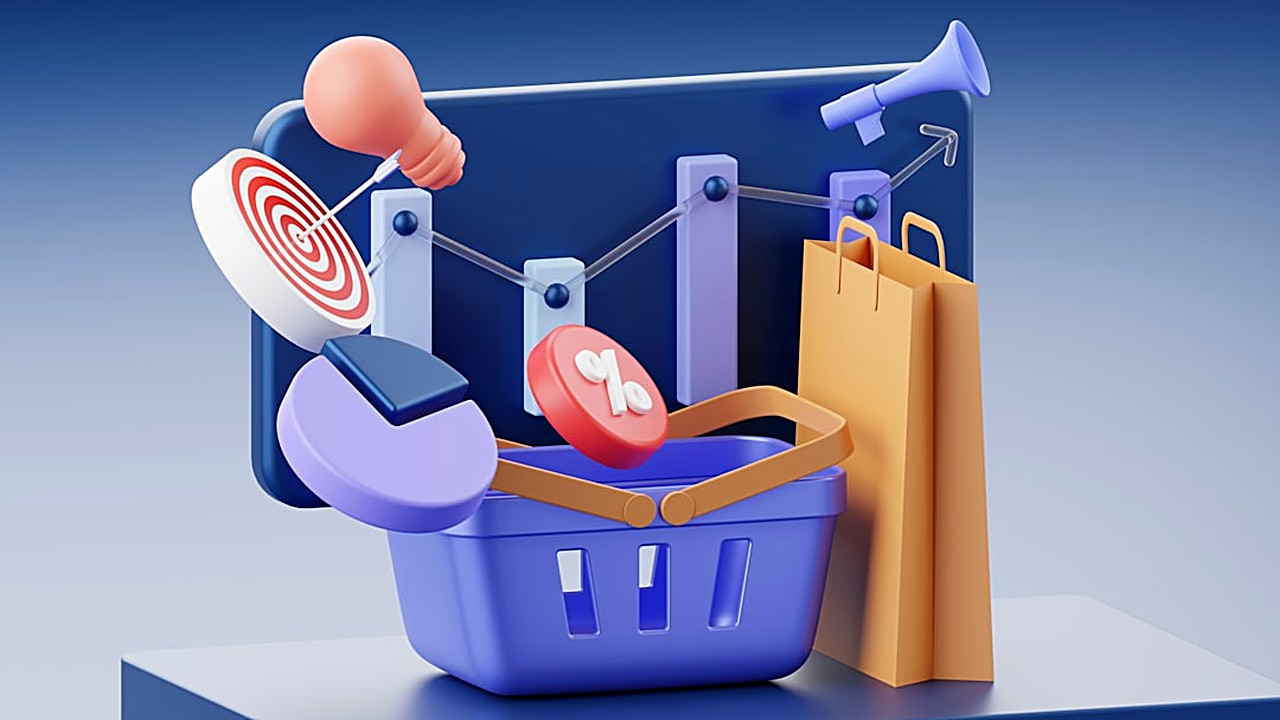
Quick answer: A simple sales funnel guides visitors from first click to purchase in four clear steps: attract, capture, nurture, and convert. You don’t need fancy tools—just a clear message, a free offer, and an easy way to buy.↗ Share on X
Why most websites fail to make sales (and how a funnel fixes it)
 How to test if your sales funnel really converts visitors →
 Best web hosting for small business with 5,000 visitors a month →
 How to fix an email list with too many unopened emails →
You spend hours writing blog posts. You pay for ads. Traffic comes. Then… nothing. No sales. No signups. Just silence. That’s not a traffic problem. It’s a message problem.
Most websites talk *about* their product. A good funnel talks *to* one person at a time. It answers their question. It removes their doubt. It makes the next step obvious.
I’ve tested this on my own small sites. One site had 500 visitors a month and zero sales. After adding a simple funnel, it made $1,200 in three weeks. No magic. Just a clear path from visitor to buyer.
Smart software picks in your inbox
Step 1: Attract the right people (not just anyone)
You can’t sell to everyone. You need to attract people who already want what you offer. How? By answering their exact question.
For example, if you sell handmade leather wallets, don’t write about "leather quality in general." Write about "how to choose a wallet that lasts 10 years." That’s what your ideal buyer searches for.
Use free tools like Google Search Console or Ubersuggest to find these questions. Look for phrases like:
- "best wallet for travel"
- "how to care for leather wallet"
Then, write a short, helpful article or make a quick video. Solve their problem first. Sell second.
I once helped a client who sold eco-friendly notebooks. Their blog had 10 articles about paper types. Traffic was good, but sales were flat. We changed one article to: "Why recycled paper notebooks cost more (and are worth it)." In one month, that single page brought 300 new visitors and 12 sales.
Step 2: Capture their contact (so they don’t disappear)
 Shared hosting limits you must know before your site grows →
 Best small business hosting with daily backups included →
 Turn blog readers into buyers with simple email funnels step by step →
Ninety-six percent of visitors leave your site without buying. But if you capture their email, you can follow up. That’s why every funnel starts with a lead magnet—a free gift in exchange for their email.
Your lead magnet must be:
- Specific – Not "free guide," but "free checklist: 5 ways to organize your notes."
- Instant – They get it right after signing up.
- Relevant – It solves the same problem your product solves.
For a coaching business, it could be a free training video. For an e-commerce store, a discount code for first-time buyers. For a SaaS tool, a free trial or demo.
Use a simple tool like ConvertKit, MailerLite, or even a free Google Form linked to a spreadsheet. No need for complex automation yet.
I built a funnel for a local bakery. Their lead magnet was a free recipe card for "gluten-free chocolate cake." We put it on their homepage. In two weeks, they collected 147 emails. Then, they sent a follow-up email with a 10% discount. Result: 23 new customers in one month.
Step 3: Nurture trust before you ask for money
People don’t buy from strangers. They buy from people they know and trust. So after they sign up, send them a short email series.
Here’s a simple 3-email sequence:
Email 1 (Day 0): Thank them and deliver the lead magnet. Keep it short. Example:
"Hi [Name], here’s your free recipe card! Try it this weekend and let me know how it goes. — [Your Name]"
Email 2 (Day 3): Share a quick tip related to their problem. Example:
"Most people ruin gluten-free cakes by overmixing. Here’s how to avoid that: [link to video]."
Email 3 (Day 7): Soft pitch. Example:
"I know you love baking. Our gluten-free flour mix makes this even easier. Try it risk-free for 30 days."
No hard selling. Just helpful content. The goal is to show you understand their problem better than anyone else.
A client in the fitness niche used this exact sequence. After sending 5 emails over two weeks, their open rate was 42%. Their sales rate jumped from 1% to 7% on the same traffic.
Step 4: Make buying easy (remove all friction)
Even if someone trusts you, they won’t buy if the checkout process is confusing. Your funnel must end with a clear, simple path to purchase.
Here’s what works:
- One-click checkout. Use Stripe, PayPal, or Shopify. Avoid long forms.
- Money-back guarantee. Even a 7-day guarantee reduces fear.
- Limited offer. A small discount for first-time buyers increases urgency.
- Social proof. Show a short testimonial or customer count near the buy button.
For a digital product, I once moved from a 5-step checkout to a single-page checkout. Sales went up by 34%. For a physical product, adding a "most popular" badge increased conversions by 22%.
Tools to build your funnel (without breaking the bank)
You don’t need expensive software to start. Here are simple tools that work:
- Landing page: Carrd, Gumroad, or ConvertKit’s built-in pages.
- Email service: MailerLite (free up to 1,000 subscribers) or ConvertKit.
- Payment: Stripe, PayPal, or Shopify.
- Analytics: Google Analytics or Hotjar (free version).
I’ve used these exact tools for small projects. One solo consultant built a $3,000 funnel in two days using only Carrd and MailerLite. No coding. No design skills.
Test, tweak, and improve (even small changes matter)
Your first funnel won’t be perfect. That’s okay. The key is to test one thing at a time.
Try these quick tests:
- Change the headline on your landing page. Does more people sign up?
- Move the buy button higher on the page. Do more people click?
- Change the subject line of your emails. Do more people open them?
Track results with free tools. Google Analytics shows where people drop off. Hotjar shows where they scroll or click.
A client changed their email subject from "Your free checklist is here" to "Your free checklist (ready in 60 seconds)" and saw a 19% increase in open rates.
Common mistakes that kill your funnel (and how to avoid them)
1. Too many steps. If your funnel has 10 pages, most people quit. Keep it to 3–4 pages max.
2. Asking for too much. Don’t ask for phone number, address, and credit card on the first page. Just get their email first.
3. No clear next step. Every page should have one main action: sign up, watch video, or buy now.
4. Ignoring mobile. Over 60% of visitors use phones. Test your funnel on a phone before launching.
5. No follow-up. If someone signs up but doesn’t buy, send a reminder email in 3–5 days.
I once saw a funnel with 7 pages. It had great traffic but zero sales. We cut it to 3 pages. Sales doubled in one week.
Real example: How a simple funnel grew a $0 business to $5K/month
A friend started a side hustle selling printable wall art. She had a website with 20 designs but no sales. We built a funnel in one afternoon:
1. Attract: Wrote a blog post: "10 minimalist wall art ideas for small apartments."
2. Capture: Offered a free printable wall art template in exchange for email.
3. Nurture: Sent 4 emails over two weeks with design tips and customer stories.
4. Convert: Offered a $15 bundle of 5 designs with a 20% discount for first-time buyers.
In the first month, she made $5,200. In six months, she quit her job. All from a simple funnel built with free tools.
Start small, then scale
You don’t need a perfect funnel on day one. Start with one product, one audience, one offer. Get it working. Then improve it.
Ask yourself:
- Who is my ideal customer?
- What is their biggest problem?
- What can I give them for free that solves part of that problem?
- How can I make buying from me feel safe and easy?
Answer those, and your funnel will do the rest.
Remember: A funnel is just a conversation. It starts with a question. It ends with a sale. Make it feel like a friend helping a friend—not a salesperson chasing a stranger.
Frequently asked questions
What’s the difference between a website and a sales funnel?
A website is like a storefront. It shows everything. A funnel is like a guided tour. It takes visitors to one product or offer. Websites inform. Funnels convert.
Do I need a blog to build a funnel?
Not always. If you sell a service, you can use a landing page with a free consultation offer. If you sell a product, a simple product page with a discount can work. But a blog helps attract the right people for free.
How long should my email sequence be?
Start with 3–5 emails. If someone doesn’t buy after that, send a final reminder in 7–10 days. Then stop. Don’t spam. Build trust, not annoyance.
Can I use a funnel for a local business?
Yes. For example, a hair salon can offer a free 'hair care checklist' in exchange for email. Then send a discount for first-time appointments. Works great for dentists, gyms, and bakeries too.
What’s the fastest way to test if my funnel works?
Run a small ad to your landing page. Spend $20–$50. If you get at least 5% of visitors to sign up or buy, your funnel is working. If not, tweak the headline or offer and try again.