Recover Lost Sales: Your Guide to Effective Abandoned Cart Emails
Quick answer: Abandoned cart emails remind shoppers about items left behind. A well-timed series, personalized content, and clear incentives can recover a significant portion of lost sales, turning browsing into buying. Start with a simple reminder, then add value and urgency to encourage completion.↗ Share on X
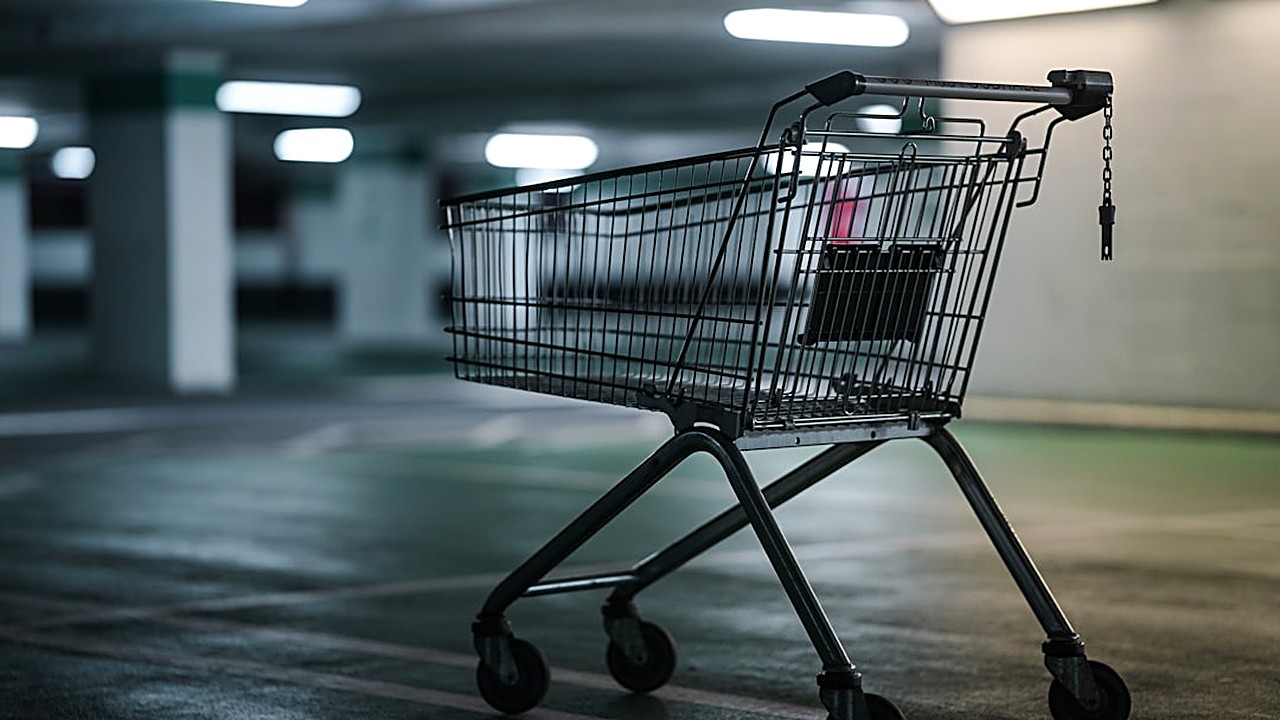
Every online store faces a common challenge: shoppers add items to their cart, then leave without buying. This isn't just a minor issue; it's a huge missed opportunity. Data shows that a large percentage of online shopping carts are abandoned before purchase. But there's good news. A well-crafted abandoned cart email campaign can bring many of those shoppers back, turning potential losses into real revenue. It's not about being pushy; it's about being helpful and timely.
Why Every Unfinished Purchase Needs an Email
 How to Pick the Right Email Automation Tool for Small Business Beginners →
 How to Segment Your Email List by Engagement for Better Opens →
 How to Train AI to Write Persuasive Product Reviews for E-Commerce →
Think of an abandoned cart email as a friendly tap on the shoulder. Shoppers often get distracted, face unexpected costs, or simply need more time to decide. An email can solve these problems. These emails are incredibly effective because they target people who have already shown interest in your products. They're not cold leads; they're warm prospects, just a step away from buying.
Consider the numbers: industry averages suggest that abandoned cart emails have significantly higher open rates and click-through rates compared to general marketing emails. While conversion rates vary, a well-optimized series can recover 10-15% or even more of otherwise lost sales. For a small e-commerce business, this can mean thousands of dollars in extra revenue each month. It's a direct way to impact your bottom line without spending more on advertising. We've seen firsthand how a simple, three-email sequence can move the needle for solo founders just starting out.
Smart software picks in your inbox
Building Your Abandoned Cart Email Sequence
Timing is everything. Sending too many emails too quickly can annoy customers. Waiting too long means they might have bought from a competitor or forgotten about your store entirely. A typical, effective sequence involves 2-3 emails, sent at specific intervals:
1. Email 1: The Gentle Reminder (1-4 hours after abandonment). This email is simple. Its main goal is to remind the shopper about their cart. Don't offer discounts yet. Just show them what they left behind. Include a clear link back to their cart. Many shoppers just needed a nudge.
2. Email 2: Adding Value and Addressing Concerns (12-24 hours after abandonment). This email builds on the first. Reiterate the product benefits. Maybe include a customer review or highlight your unique selling points, like fast shipping or a great return policy. Answer common questions. Show them why your product is the best choice.
3. Email 3: The Final Push (2-3 days after abandonment). This is where you might introduce urgency or an incentive. A small discount (e.g., 5-10% off) or free shipping can be very persuasive. Frame it as a limited-time offer. This email is for those who need a little extra motivation to complete their purchase. We've often found that even a modest incentive can tip the scales for hesitant buyers.
Writing Emails That Bring Shoppers Back
 How to pick a host that grows with your online store →
 How to Set Up a Simple Email Newsletter: 10 Steps for Beginners →
 Email Marketing Software for Small Business: Budget Picks That Actually Deliver →
Your email content needs to be clear, personal, and persuasive. Start with a compelling subject line. It should grab attention without being spammy. Examples include: "Your Cart Awaits!", "Did You Forget Something?", or "Complete Your Order and Save!" Personalization is key. Always include the customer's name and the specific items they left in their cart. Product images are a must; they remind shoppers exactly what they were interested in.
In the email body, use friendly, helpful language. Remind them of the benefits of the product. If you sell clothing, talk about style and comfort. If it's software, mention how it solves a problem. Include social proof like short customer testimonials or star ratings. This builds trust. Make sure your brand voice shines through, whether it's playful, professional, or practical. A good email feels like a conversation, not a sales pitch.
Offering the Right Push: Incentives and Clear Calls to Action
Not every abandoned cart needs a discount. As mentioned, the first email should rarely include one. Save incentives for later emails in the sequence, especially the last one. When you do offer a discount, make it clear and easy to use. A unique discount code that automatically applies at checkout works best. Free shipping is another powerful incentive, often more appealing than a small percentage discount because it feels like a direct saving.
Your Call to Action (CTA) must be impossible to miss. Use a prominent button with clear text like "Complete Your Order," "Go to Cart," or "Claim Your Discount." Place it strategically within the email, usually above the fold and again near the bottom. Make the path back to purchase as smooth as possible. Remove any distractions. The goal is to get them back to their cart and finalize the sale with minimal effort.
Continuously Improving Your Recovery Rates
Creating an abandoned cart campaign isn't a one-time task. It requires ongoing testing and optimization. A/B test different elements of your emails. Try varying subject lines to see which ones get higher open rates. Experiment with different CTA button colors or text. Test the timing of your emails; maybe sending the first email at 30 minutes works better than 2 hours for your audience. We've run countless A/B tests on subject lines and found that even a single word change can significantly impact open rates.
Track your key metrics: open rates, click-through rates, and most importantly, conversion rates from these emails. Which emails in your sequence perform best? Are there specific products that respond better to incentives? Use this data to refine your strategy. Small, continuous improvements can lead to significant gains over time. Your goal is to find the sweet spot that maximizes recovered sales without annoying your potential customers.
Abandoned cart email campaigns are a fundamental part of any successful e-commerce strategy. By understanding why shoppers leave and how to gently guide them back, you can turn a common problem into a consistent source of revenue. Start simple, test often, and watch your sales grow.
Frequently asked questions
How many emails should be in an abandoned cart sequence?
Most effective abandoned cart sequences include 2-3 emails. The first is a gentle reminder, the second adds value, and the third often includes an incentive or a final call to action.
When is the best time to send the first abandoned cart email?
The first email should be sent relatively quickly, typically within 1 to 4 hours after the cart is abandoned. This catches the shopper while their interest is still high and before they've moved on.
Should I always offer a discount in abandoned cart emails?
No, not always. It's best to save discounts for the later emails in your sequence (e.g., the second or third email). The first email should focus on a simple reminder, as many shoppers don't need an incentive to complete their purchase.
What kind of content works best in these emails?
Effective content includes personalized messages (shopper's name, cart items), clear product images, benefits of the items, social proof (reviews), and a strong, clear call to action button. Keep the language friendly and helpful.
How can I measure the success of my abandoned cart campaigns?
Measure success by tracking open rates, click-through rates, and most importantly, the conversion rate directly from these emails. Also, look at the total revenue recovered. A/B testing different elements helps optimize these metrics over time.